

Christmas cards in the UK: From Penny Post to digital greetings
As an Amazon Associate, christmas.co.uk earns from qualifying purchases.
While Christmas cards may be declining in popularity, they still hold a special place in the festive season for many of us.
For one thing, they’re a great way to connect with loved ones by spreading warmth and cheer through the post.
But where did this tradition of sending festive cards come from? And why is it still popular in today’s digital age?
Here, the Christmas.co.uk team examines the fascinating history of Christmas cards in the UK, with a look at the reasons behind sending them, and discover where to find the perfect card to express your festive spirit.
A penny for your thoughts: The history of Christmas cards
 The tradition of sending Christmas cards began in Victorian England in 1843, when civil servant Sir Henry Cole commissioned an artist called John Callcott Horsley to create a card to send to his friends.
It had a festive scene on the cover and a simple slogan on the inside: “A Merry Christmas and a Happy New Year to You.”
As the first-ever Christmas card, it was an instant hit, and the idea quickly caught on.
However, the early cards were expensive at a shilling each (that’s about £6 today!).
But the introduction of Penny Black postage stamp in 1840 meant that sending greetings became affordable which led to a huge rise in the number of Christmas cards being posted.
Those early designs often featured religious scenes or imagery like robins, holly and snowy landscapes.
As printing technology improved, the cards began to be more elaborate and affordable.
By the 20th century, Christmas cards had become a popular phenomenon as an effective way to connect with loved ones during the festivities.
Why people send Christmas cards (and why you should too!)
Christmas cards still retain a special charm, even though postage stamps are more expensive and we could send them digitally. Here’s why, we think, you should still take the time to buy, write and send them:
- Personal touch: A handwritten message on a Christmas card goes a long way since it shows loved ones you’re thinking of them and adds a personal touch that a digital message can’t replicate
- A keepsake: Unlike emails or texts, Christmas cards become cherished keepsakes. Recipients can revisit the card year after year, remembering the sentiment behind it
- Spreading Christmas cheer: Sending a Christmas card brightens someone’s day. It’s a small gesture that can bring a smile to someone’s face and contribute to the overall festive spirit
- Supporting charities: Many charities sell Christmas cards, allowing you to spread festive joy while contributing to a good cause
- Connecting across generations: Sending Christmas cards helps maintain connections with older relatives and friends who may not be as tech-savvy. And young people and children will love them too!
Christmas card etiquette: A guide to festive politeness
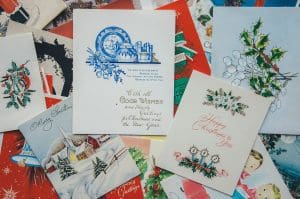 Sending Christmas cards is a lovely tradition which needs to be maintained, but it’s important to follow a few simple rules of etiquette to ensure your cards are well-received.
Timing is everything
Early bird: While it’s tempting to send cards early, aim to post them in mid-December. This ensures they arrive before Christmas but avoids overwhelming the Royal Mail
Late arrivals: If your cards arrive after Christmas, don’t worry! A belated Christmas card is still a thoughtful gesture.
Who to send cards to
Close family and friends: Prioritise sending cards to those closest to you, such as immediate family, close friends and neighbours
Work colleagues: Consider sending cards to colleagues you’re particularly close with or to your entire team if it’s customary in your workplace
Acquaintances: You may choose to send cards to acquaintances, but it’s not strictly necessary.
We also think it’s a good idea for Christmas cards to be sent by businesses to their customers and suppliers.
Also, individuals should consider sending cards to cleaners, milkman etc – essentially, those people you have regular contact with who provide a service throughout the year.
Card selection and personalisation
Personal touch: Take the time to write a heartfelt message inside your card. A personalised message shows that you care and adds a special touch
Appropriate designs: Choose cards that reflect the recipient’s interests or sense of humour. For example, a funny card for a friend or a more traditional card for a grandparent.
Postage and ‘Thank-You’ notes
Proper postage: Make sure that you pay the proper stamp rates for your card, especially if it’s heavier or larger than normal cards because the recipient will have to pay extra to receive it
Thank-you notes: While not strictly necessary, sending thank-you notes for particularly thoughtful or personalised cards is a kind gesture.
Where to buy festive cards in the UK
 As the festive season approaches, many of us begin thinking about where and which cards to buy.
Whether you prefer classic designs, personalised messages, or humorous illustrations, there’s a Christmas card out there for everyone.
Here are some tips to help you buy:
The early bird gets the worm: Start your festive card shopping early to avoid last-minute rushes and potential stock shortages
Consider eco-friendly options: Look for cards made from recycled paper or sustainably sourced materials
Shop local: Support local businesses by purchasing cards from independent shops or local artisans.
High Street retailers
- Card Factory: A popular chain store offering a wide range of affordable Christmas cards
- TGJones: A versatile retailer that stocks a variety of Christmas cards, from traditional to contemporary designs
- Sainsbury’s, Tesco and Asda: Supermarkets often have a good selection of Christmas cards
- Poundland and B&M: These discount stores offer budget-friendly Christmas cards, perfect for those looking for a bargain.
Other retailers
- Paperchase: This retailer is renowned for its stylish and unique stationery, including a wide selection of cards
- Amazon: A one-stop shop for everything, Amazon offers a vast selection of Christmas cards from various sellers, including personalised, funny and luxury options
- Not on the High Street: Discover unique and handcrafted cards from independent sellers.
From High Street to online: Buying Christmas cards

We think it’s worth exploring the potential outlets for buying Christmas cards because there’s such a wide range available.
One reason is that you can order your card, and some platforms, such as Moonpig and Funky Pigeon, will send it to the recipient directly.
Whether you prefer classic designs, quirky humour, or something truly extravagant, you’ll find the perfect card for everyone on your list:
Personalised cards: Add a special touch with personalised names, photos or messages from the likes of Papier and Vistaprint
Photo Christmas cards: Turn your favourite family photos into festive greetings, which will always raise a smile! use Snapfish and Vistaprint
- Luxury Christmas cards: Impress with high-quality materials and elegant designs from Fortnum & Mason or Papier
- Funny Christmas cards: Lighten the mood with hilarious Christmas puns and witty illustrations – try Scribbler for these
- Corporate Christmas cards: Find a wide selection of designs suitable for sending greetings to clients and colleagues. Visit Vistaprint or Moo.com for more information
- Moonpig Christmas cards: This online retailer offers a vast selection of cards, from cute and cuddly to personalised and playful – they will also post your cards for you
- Funky Pigeon: Lots of funny and creative cards to personalise and they have an option to post for you
- Victorian Christmas cards: Find reproductions of classic Victorian cards for a touch of nostalgia – Amazon has a wide selection
- Charity Christmas cards: Support a worthy cause while sending festive greetings so buy yours from Help for Heroes or Save The Children.
When are the last posting dates in the UK?
Royal Mail publishes a list of last posting dates for first- and second-class mail, along with international and HM Forces dates. Read the Christmas.co.uk article on the last Christmas posting dates for the Royal Mail and Parcelforce, along with other carriers such as Evri. We also explain how the letter should be addressed and where the stamp should go.
There’s also a useful link to find out when other countries have their last posting dates for delivery and for those sending parcels, you’ll need the Parcelforce Worldwide site.
Will Christmas cards survive?
In a world that is increasingly dominated by digital communication, many wonder if the tradition of sending Christmas cards will survive.
While there’s no doubt that email and social media greetings have become commonplace, cards offer a unique experience that digital messages can’t replicate.
For one thing, we think that the nature of a Christmas card, the feel of the paper, and the handwritten message create a lasting impression.
It’s a tactile experience that connects us to our loved ones in a way that digital communication simply can’t.
Alternatives to sending traditional cards
While traditional cards remain popular, there are other ways to spread festive cheer:
- E-cards: For those who prefer a digital option, e-cards offer a convenient and eco-friendly way to send festive greetings. Many websites offer a wide range of designs, from funny to sentimental
- DIY cards: Get creative and make your own cards using recycled materials, paints or stamps. This is a fun activity for families and can add a personal touch to your greetings
- Charity donations in lieu of cards: Instead of sending cards, consider donating to a charity in the name of your loved ones. This is a thoughtful gesture that can make a real difference.